2026-10-10 ·
How Ice Dams Damage Roofs in Woodbury
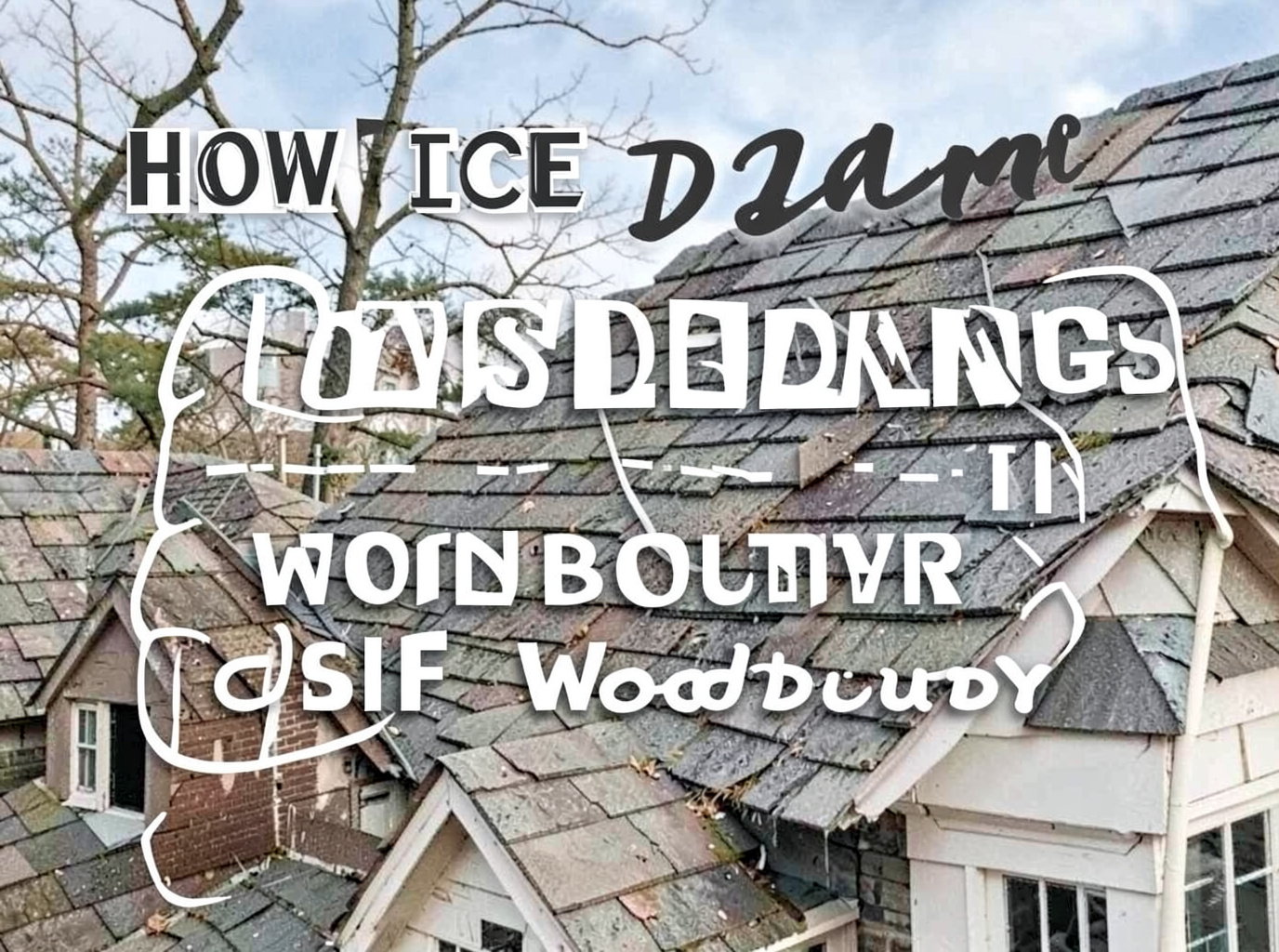
Ice dams damage roofs in Woodbury when melting snow refreezes at the eaves and drives water under shingles, creating leaks that penetrate attic spaces and interior ceilings within days of formation.
Formation in Washington County Winters
Woodbury experiences a humid continental climate with cold winters that allow snow to accumulate on roofs while attic heat melts the lower layers. This meltwater flows down to the colder eaves and refreezes into a dam. Homes in Central Woodbury and Tannerwood often see this pattern because many roofs have standard insulation levels that allow enough heat loss to trigger the cycle. Nearby St. Paul and Cottage Grove share the same winter conditions, so the same process repeats across Washington County. The result is standing water that finds every small gap in the shingle layer.
How Water Enters and Spreads
Once the ice dam blocks drainage, water backs up under the shingles and reaches the underlayment or decking. In Woodbury's older housing stock near Woodbury Village, this often occurs at valleys and penetrations where flashing has aged. The water then travels laterally along the roof deck before dripping into the attic. Tannerwood Park area homes with steeper pitches can still suffer because the dam forms at the gutter line regardless of slope. Prolonged exposure saturates insulation and drywall, turning a roof issue into ceiling stains within one or two freeze-thaw events.
Impact on Local Housing Stock
Woodbury homes built in the 1980s and 1990s around Tannerwood commonly have asphalt shingles that lose granule protection over time. When ice dams form, the backed-up water exploits these worn areas faster than on newer roofs. The county's freeze-thaw frequency means even a modest dam can push water several feet upslope. This pattern appears repeatedly in Central Woodbury because many roofs face north or sit in shaded spots created by mature trees near Woodbury Village.
Related Issues That Worsen Damage
Poor gutter function accelerates ice dam problems because standing water in clogged gutters adds weight and creates more refreezing points. Gutter problems that cause roof leaks often combine with ice dams to increase leak risk. Attic ventilation shortfalls also contribute by allowing more heat to reach the roof deck. Homeowners in Cottage Grove and St. Paul report similar combined failures during the same winter storms that hit Woodbury.
Steps to Limit Further Harm
Clearing the dam safely from the ground with a roof rake prevents additional water intrusion while the weather stays cold. Checking for interior moisture near eaves helps catch leaks early. Professional ice dam removal and prevention teams address both the immediate ice and the underlying heat loss that creates future dams. Scheduling an inspection through emergency roof leak repair services becomes necessary once water reaches living spaces. The article Ice dams: why they cause leaks & how to stop them outlines long-term ventilation and insulation adjustments that reduce recurrence in Washington County homes.